
How to price your rental in Jersey City
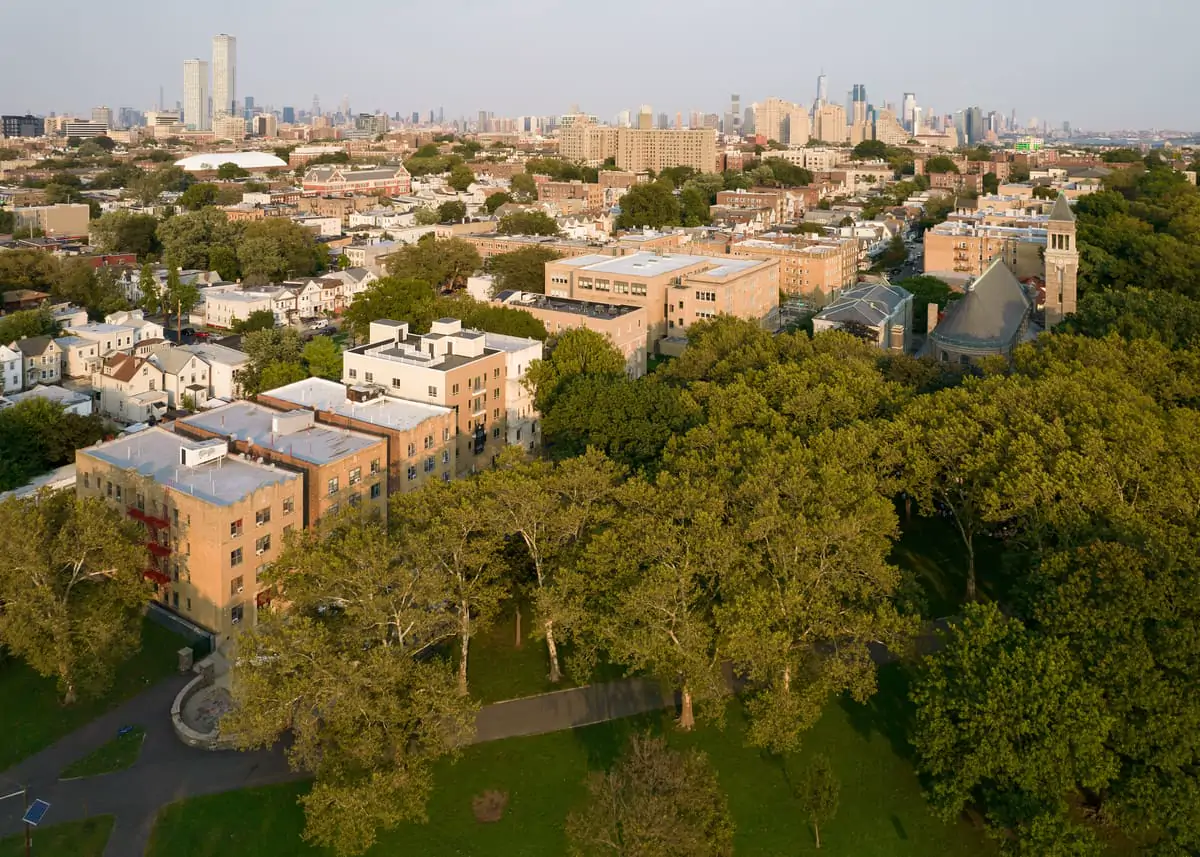
Lincoln Park, Jersey City. Photo: King of Hearts, CC BY-SA 4.0
The right rent for a Jersey City apartment is the highest number that still gets you a qualified tenant within the first two weeks. Price it from what similar units actually rented for nearby, not from what your neighbor is asking, and adjust for what your unit has and doesn't have. This is the method I use when an owner asks me to list a rental.
Why the asking rents online are the wrong starting point
An asking rent is a hope. A rented price is a fact. The units sitting on the big rental sites the longest are often the overpriced ones, so if you price off what you see online, you copy their mistake. I start from units that actually signed a lease, then use the ones for rent today to see who you are competing with this month.
Step 1: find the rentals that really compare
A good comparable is close to your unit in the things a tenant pays for. I look for, in this order:
- Same bedrooms and bathrooms. A second bathroom changes the rent more than a few extra square feet.
- Same kind of building. A floor of a two-family house, a walk-up and an elevator building with a doorman are three different markets, even on the same block.
- Close by. Same section of Jersey City first, the same walk to the PATH or light rail second. Downtown, the Heights and Journal Square rent very differently.
- Recent. Leases signed in the last few months, so the season and the market match.
Step 2: adjust for what your unit has
No two units are the same, so each comparable gets adjusted up or down for the differences. The ones that move rent the most in Hudson County, in my experience:
- Laundry in the unit, versus in the building or none.
- Parking, and whether it is included or extra.
- Outdoor space: a yard, a deck or a balcony.
- Condition: an updated kitchen and bath, versus original.
- Floor and light: a garden or basement unit rents for less than a top floor with windows on two sides.
- Pets allowed or not, and which utilities are included.
After the adjustments, the comparables usually land in a tight range. Your rent sits inside that range, not above it.
Step 3: decide where in the range to list
This is a choice, not a formula. Listing at the top of the range can work for a unit that is clearly the best of its group. For most units I suggest the middle, because the cost of an empty month is bigger than people think: one vacant month on a $3,000 apartment is $3,000 gone, which is more than a $150 lower rent costs you over a whole year ($1,800).
The first two weeks tell you if the price is right. If the unit gets real inquiries and showings, hold. If it gets views but almost no inquiries, the price is the problem, not the photos, and a small cut early beats a big cut after a month.
Check the rules before you set the number
- Rent control. Jersey City has its own rent control ordinance. Whether it covers your unit depends on the building, so check it before you set the first rent. I check it with every owner I work with.
- Security deposit. In New Jersey it can be at most one and a half months' rent, and it has to be returned within 30 days after the tenant moves out, minus documented damages.
- Truth in Renting. New Jersey landlords have to give tenants the state's Truth in Renting guide. It is free from the state.
- Screening. In New Jersey you cannot turn a tenant down because their rent is paid with a voucher or other lawful source of income, and criminal history has its own rules. Screen every applicant the same way, on income, credit and references.
More on the paperwork in what I do for landlords and the free Landlord's guide.
Want a rent number for your unit?
Send me the address. I'll come back with the rented comparables and a range, and you decide.
Read next: House hacking in Jersey City: buying a 2–4 family and making it work
Also useful: The renter's checklist for a no-fee NJ lease · Rental agent for Jersey City and Hoboken · Landlord's guide
← Back to the blog