
Moving from New York to Hudson County: what actually changes
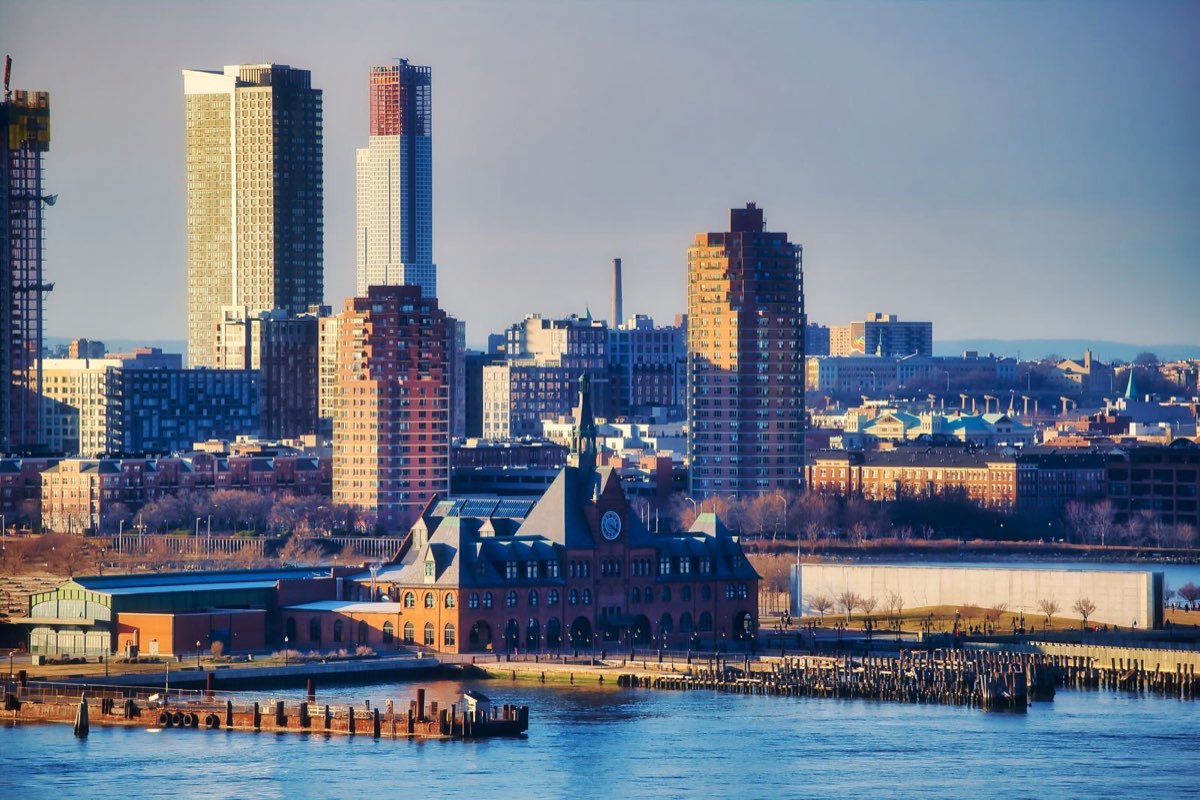
Half of my buyers come from across the river, and they all ask a version of the same question: what am I not seeing? Here is the list I give them, in the order it usually matters.
The taxes are different, not simply lower
If you keep a New York job, you will still file in New York and pay New York state tax on that income; New Jersey gives you a credit so you are not taxed twice. What disappears is New York City's own income tax. What appears is New Jersey property tax, which is high and varies a lot from one town to the next. Get an accountant to run your real numbers before you assume anything; I can introduce you to one who does this every week.
The paperwork you have not met before
New Jersey has attorney review, which I have written about separately: three business days after you sign, during which either side can walk. Closings involve an attorney on each side rather than a title closer. And the state charges fees on higher-priced sales that changed in 2025; I give you the current figures for your price rather than a rule of thumb.
Space, light and a washing machine
This is the part people move for. The same money buys more room, an in-unit washer and dryer, often outdoor space, and in the newer buildings a gym, a pool and a doorman. Brownstone blocks Downtown and in Hoboken feel like the West Village with parking. The Heights and Bergen-Lafayette are where a house with a yard is still possible on a Manhattan salary.
The car question
You do not need one Downtown, in Hoboken or on the waterfront. You will probably want one in the Heights, Bayonne or the towns up the river, and street parking there is its own sport. Ask about parking before you ask about closets.
The commute, honestly
Door to desk, most of my clients land between twenty and forty minutes to Lower Manhattan or Midtown, on the PATH, the ferry or the light rail plus a transfer. That is comparable to much of Brooklyn and Queens, and often better. The mistake is picking a building by its name; pick it by the walk to your actual train.
What you gain that nobody mentions
Neighbors who know your name, a park where the kids recognize each other, a butcher who remembers your order. The "day in the neighborhood" pages on this site exist because that is the thing I could not explain on the phone. Walk one before you tour anything.
Coming from the city?
Tell me your budget and where you work, and I will send you three neighborhoods to walk this weekend, with the honest numbers.